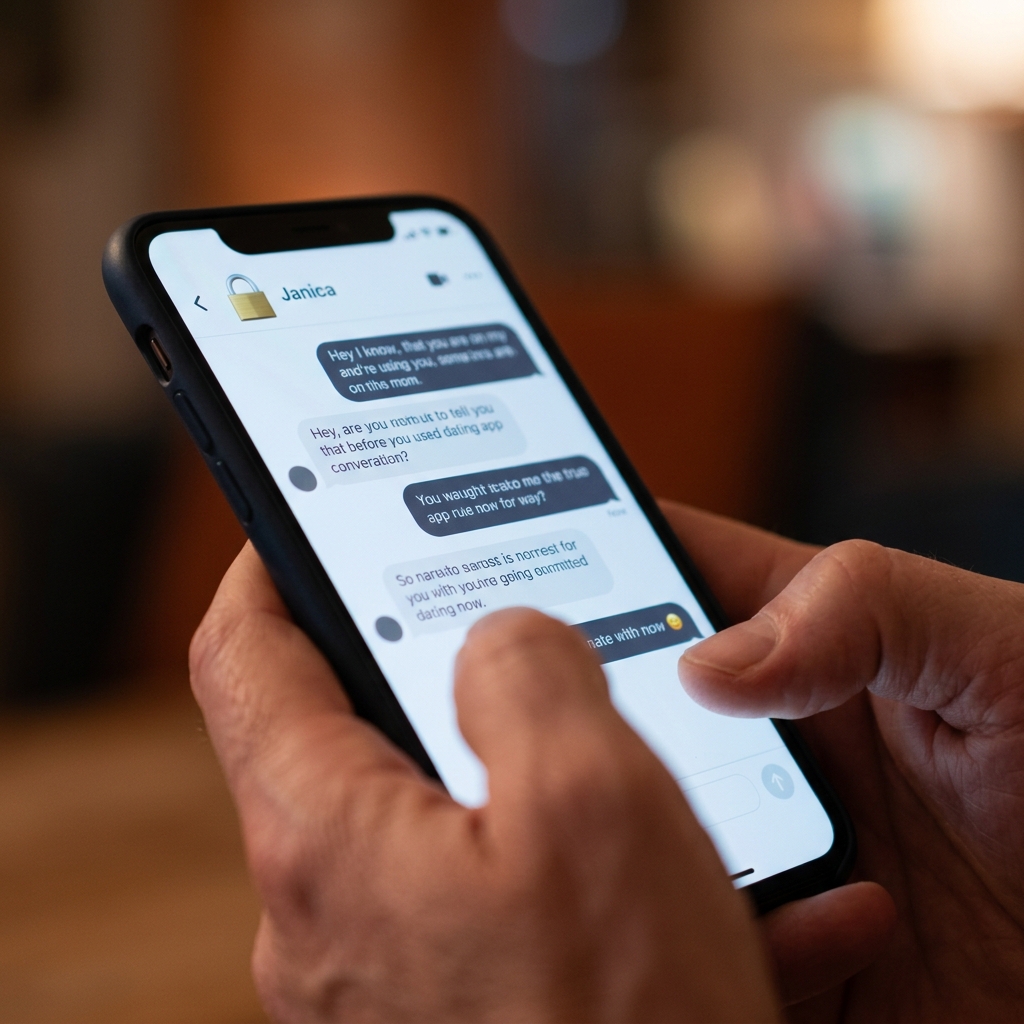

Navigating the world of online dating can be an exciting journey of discovery, but it also requires a certain level of awareness regarding your personal and financial boundaries. While most people you meet are looking for the same thing as you—a genuine connection—it is vital to recognise when a situation shifts from building a relationship to a financial discussion. If someone you have met online asks you for money, it should be treated as a significant turning point in your interaction, regardless of how long you have been talking or how close you feel to them.
Financial requests often don’t appear immediately. They are frequently introduced gradually, after a sense of emotional trust has been established. You might feel a strong bond with this person; perhaps you have shared deep conversations, future plans, or daily updates about your lives. Because of this emotional investment, a request for help can feel incredibly convincing. It may arrive in the guise of a sudden emergency, such as an unexpected medical bill for a family member, an urgent flight to see a sick relative, or a temporary issue with a bank account being "blocked." In some cases, the person might even suggest a "once-in-a-lifetime" investment opportunity or ask for help with a business crisis. These stories are designed to pull at your heartstrings or appeal to your desire to be a supportive partner.
"A genuine relationship is built on mutual respect and shared experiences, not on financial transactions. If a request for money creates pressure or guilt, it is no longer about support; it is about control."
It is important to look out for specific "red flags" that often accompany these requests:
- Urgency and Pressure: The person insists that the money is needed "right now" to prevent a disaster.
- Secrecy: They ask you not to tell your friends or family about the situation, claiming it is private or embarrassing.
- Specific Payment Methods: They ask for funds via untraceable or non-refundable means, such as gift cards, cryptocurrency, or international bank transfers.
- Promises of Repayment: They provide elaborate explanations of how and when they will pay you back, often showing you "proof" of future funds that cannot be independently verified.
Even if the person is someone you have met in real life once or twice, the same caution applies. A request for financial assistance early in a relationship disrupts the natural balance of getting to know someone and should always be viewed through a lens of self-protection.
What to do before sending anything
If you find yourself in a situation where a match is asking for financial help, the most important thing you can do is pause. Take a step back from the emotional intensity of the conversation. It is entirely reasonable—and necessary—to say no. A person who truly cares about you will respect your boundaries, even if they are in a difficult spot. If they become angry, defensive, or try to make you feel guilty for "not trusting" them, this is a clear indication that the relationship is not based on healthy foundations.
You might be tempted to send "just a small amount" to see if the story is true or to help "tide them over." However, this often signals to the other person that you are willing to bypass your own rules, which can lead to larger and more frequent requests. Instead of sending money, try to verify their claims independently. For example, if they claim to be stuck at an airport, check flight statuses or official news about travel disruptions. If they mention a business problem, look for public records. Often, you will find that the details do not quite add up.
Warning: Be extremely wary of sharing any sensitive information. This includes your bank details, credit card numbers, passwords, or copies of your passport and driving licence. Sharing these can lead to identity theft or unauthorised access to your accounts, which is far more damaging than a one-off payment.
Consider these realistic scenarios and how to handle them:
- The "Blocked Account" Scenario: They claim their bank card isn't working and ask you to buy them gift cards for groceries or essentials. Your Response: Suggest they contact their bank’s emergency line, as most UK banks have procedures for customers in this situation. Do not provide the codes.
- The "Emergency Flight": They claim they have a chance to visit you but are just short of the fare for a last-minute flight. Your Response: Offer to help them look for a cheaper date in the future when they have the funds, but decline to pay for the ticket yourself.
- The "Investment Guru": After weeks of chatting, they mention a crypto platform or a "sure-fire" investment. Your Response: State clearly that you do not discuss finances or investments with people you are dating and keep your portfolios separate.
If the person persists or the pressure increases, the best course of action is to stop communicating. You are under no obligation to continue a conversation that makes you feel uncomfortable or exploited. Block the individual on the dating platform and on your phone to prevent further emotional manipulation.
What to do if you have already sent money
If you have already transferred money or shared financial details, please know that you are not alone, and there is no reason to feel ashamed. These situations are often highly sophisticated and exploit the very best parts of human nature: empathy and kindness. Taking swift action is the most effective way to limit the damage and potentially recover your funds.
Your first priority should be to contact your bank or payment provider immediately. In the UK, banks have specific departments dedicated to fraud and unauthorised payments. The sooner you report the transaction, the better the chance the bank has of stopping the transfer or retrieving the funds. If you have shared your password or PIN, ask the bank to freeze your accounts and issue new cards immediately.
Next, you should report the incident to the authorities and the dating platform. Reporting is a vital step in protecting others from experiencing the same situation. You should:
- Contact Action Fraud: As the UK’s national reporting centre for fraud and cybercrime, they provide a secure way to report what happened and offer guidance on next steps.
- Notify the Dating App: Use the "Report" function on the app where you met the person. Provide as much detail as possible so the service can take action against the profile.
- Keep Records: Save copies of all messages, receipts, and any documentation the person sent you. Do not delete the conversation history, as this may be needed as evidence for an investigation.
Moving on emotionally is just as important as the practical steps. It can be painful to realise that someone you cared about may not have been who they claimed to be. Allow yourself time to process this without self-judgment. Surround yourself with trusted friends or family members who can offer support. Remember that a person’s dishonest behaviour is a reflection of their character, not your intelligence or worth.
Ultimately, a healthy relationship is one where you feel safe, respected, and free from financial coercion. By staying informed and maintaining your boundaries, you protect your wellbeing and keep the door open for a genuine connection built on honesty and mutual care. Taking your time and refusing to be rushed into financial decisions is not a sign of a lack of trust; it is a sign of a healthy, self-respecting approach to modern dating.