Navigating the world of online dating is often an exciting journey of meeting new people and exploring potential connections. However, like any social space, it requires a clear understanding of your own boundaries and the tools available to protect them. You might occasionally encounter situations where a conversation doesn't feel right, or someone’s behaviour crosses a line. In these moments, knowing how to use blocking and reporting features is essential for maintaining your peace of mind.
It is important to remember that your experience on a dating platform should be respectful and comfortable. You are in control of who you interact with, and you never owe anyone your time or attention if their conduct makes you feel uneasy. Using safety tools isn't about being "unkind"; it’s about managing your digital environment in a way that feels safe for you.
Blocking and reporting: what is the difference?
While they are often mentioned in the same breath, blocking and reporting serve two distinct purposes. Understanding the difference helps you decide which action is most appropriate for the situation you’re facing. Essentially, blocking is a personal boundary tool, while reporting is a community safety tool.
When you block someone, you are effectively closing the door on that specific interaction. It is a way to control who can contact you or view your profile. Once blocked, the person will usually no longer be able to message you, and in many cases, your profile will disappear from their view entirely. You don’t need to justify this decision to the other person, nor do you need to provide a "final warning." Blocking is not necessarily an accusation of wrongdoing; it can simply mean you no longer wish to engage with that individual.
Reporting, on the other hand, involves alerting the platform's moderation team to a specific issue. This is generally used when someone’s behaviour violates the terms of service or creates a genuine safety concern. When you report a profile, you are asking the platform to review the user’s conduct. This helps keep the wider community safe by identifying accounts that may be harmful, fraudulent, or abusive. You can report someone for many reasons, from suspicious financial requests to harassment.
"Blocking is for your own comfort; reporting is for the safety of the community and the integrity of the platform."
In many instances, it is appropriate to do both. If someone is being abusive, reporting them ensures the platform can take action, while blocking them ensures you are no longer exposed to their messages. It is a normal, healthy part of managing your online presence.
When it makes sense to block or report someone
Deciding when to end a conversation can sometimes feel awkward, especially if you are someone who values being polite. However, there are several clear-cut scenarios where blocking or reporting is the most sensible course of action. You should never feel guilty for prioritising your own well-being over a stranger's desire to chat.
- Repeated unwanted messages: If you have clearly stated that you are not interested or have stopped responding, and the person continues to send messages, they are ignoring your boundaries.
- Aggressive or intimidating behaviour: This includes insults, shouting (in text form), or making you feel pressured to do something you aren't comfortable with. For example, if someone becomes insulting after you decline a date at a local pub or coffee shop, that is a clear sign to block immediately.
- Sexual harassment: If someone sends unsolicited sexual images, messages, or persists with sexual talk after you’ve asked them to stop, this is a violation of most platforms' rules and should be reported.
- Pressure to move off-platform: Be cautious of anyone who insists on moving the conversation to WhatsApp or another encrypted messaging service almost immediately. While this is sometimes innocent, it is also a common tactic used by people who want to bypass the safety filters of the dating app.
- Requests for money: This is a major red flag. In the UK, romance fraud is a serious concern. No matter how convincing the story might be—such as a sudden emergency or a problem with a bank account—you should never send money to someone you have met on a dating site. This behaviour should always be reported to the platform and, if necessary, to Action Fraud.
- Suspicious or inconsistent profiles: If the person’s photos look like professional stock images, or if their stories about their life and location (e.g., claiming to live in London but having no knowledge of the area) don't add up, they may be using a fake identity.
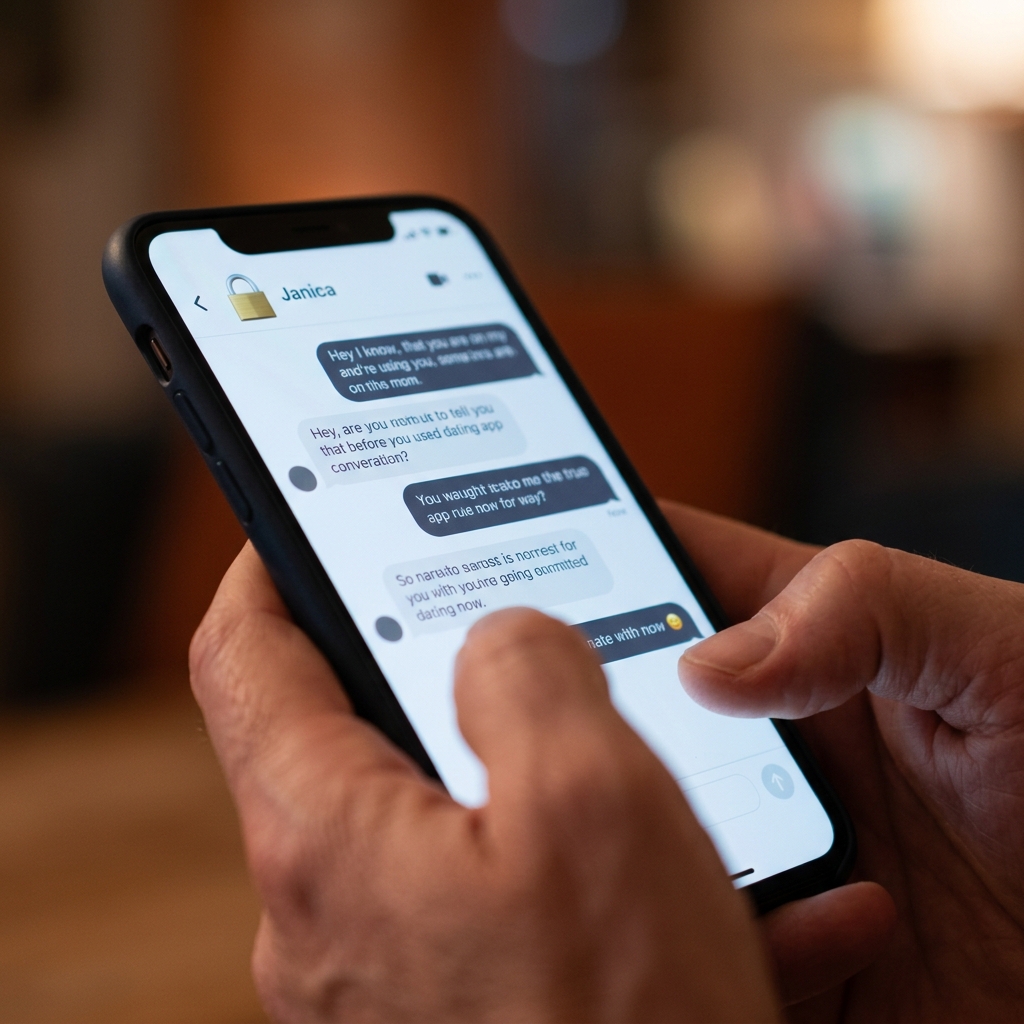
Consider the case of someone who continues to message you after a polite rejection. You might say, "I enjoyed our chat, but I don't think we're a match. All the best." If they respond by demanding an explanation or becoming persistent, you have already done your part by being clear. You do not need to enter an argument. Blocking them at this stage is a logical way to end the interaction.
Warning: If you encounter a profile that appears to be using another person’s identity—perhaps you recognise the photos or the details seem obviously copied—reporting is vital. Impersonation is often the first step in more serious forms of online deception.
What to do if the behaviour feels more serious
Most interactions on dating platforms are harmless, even if they are sometimes a bit disappointing. However, there are times when behaviour crosses the line from "annoying" to "concerning" or even "dangerous." In these cases, taking a few extra steps before you hit the block button can be helpful.
If you are experiencing threats, stalking, or persistent harassment, it can be useful to keep a record of the communication. Take screenshots of the messages and the person’s profile before you block or report them. This evidence can be crucial if you ever need to involve the authorities. However, do not feel you need to keep the conversation going just to "gather more evidence." Your safety comes first; once you have a record of the misconduct, end the contact immediately.
If the behaviour moves beyond the dating platform—for example, if they find your social media profiles or start contacting you via your phone number without permission—it is reasonable to seek external support. In the UK, if you feel you are in immediate danger or are being harassed, you can contact the police via 101 (non-emergency) or 999 (emergency). Official sources like the National Centre for Domestic Violence or Victim Support can also provide guidance for those dealing with coercive or threatening behaviour.
Remember that you are not responsible for "fixing" the other person's behaviour or teaching them how to behave. Your responsibility is to yourself. If someone makes you feel unsafe, trust your instincts. The "Report" button is there for a reason, and platforms rely on users to highlight those who are not following the rules. By reporting serious issues, you are contributing to a safer environment for everyone, but your primary focus should always be your own protection.
Ultimately, using block and report tools is a normal, healthy part of modern dating. It is a way of saying "this is not for me" or "this is not acceptable." By setting these boundaries firmly and early, you create space for the positive, respectful connections you are actually looking for. Dating should be fun and safe; these tools are simply there to help you keep it that way.